
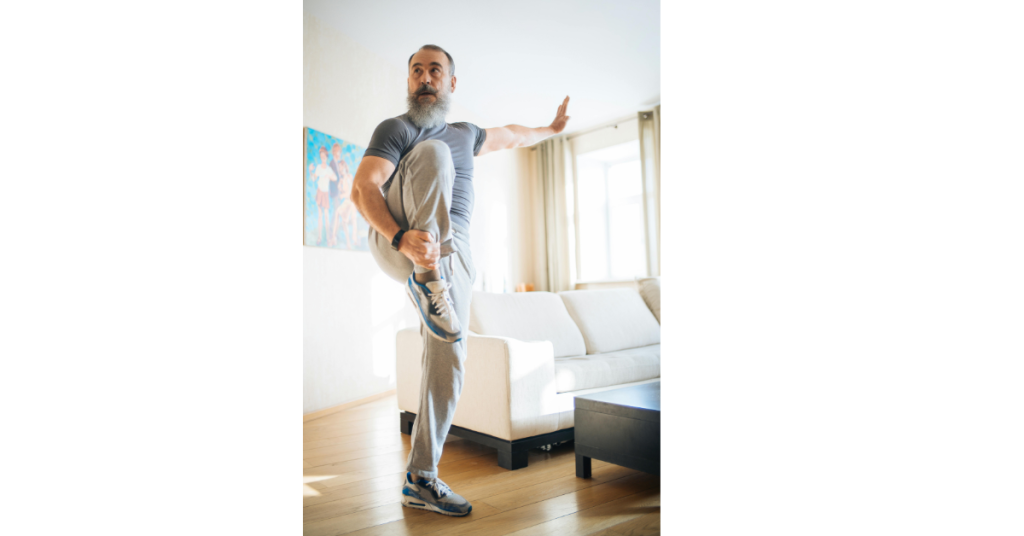
Why senior mobility matters is about much more than getting from the recliner to the kitchen—it’s the key to staying independent, safe, and connected to the people and activities you love.
When mobility starts to slip, everything else tends to follow: confidence, social life, and even overall health. Being able to move safely around your home and community is strongly tied to living independently and delaying or avoiding nursing home placement.
Researchers have found that better mobility in older adults is linked with fewer disabilities, lower risk of institutional care, and a higher quality of life. On the flip side, mobility problems are connected with more falls, hospital stays, depression, and social isolation.
Mobility, Independence, and Falls
Every step you take safely is one more step you stay in charge of your own life. Programs that focus on physical activity in older adults have shown they can cut the risk of major mobility disability and help people stay independent longer.
Exercise that targets strength and balance can reduce the rate of falls by around one quarter, and some structured mobility programs report fall-risk reductions of up to about half. That’s huge when you remember that many serious falls happen doing everyday things like getting out of a chair, stepping into the tub, or walking to the mailbox.
The Hidden Cost of Losing Mobility
Loss of mobility isn’t just about “moving slower.” It can mean giving up driving, skipping social events, or avoiding stairs, which leads to loneliness and a shorter, less satisfying life. Studies show that trouble getting around is strongly tied to social isolation, depression, and earlier moves to assisted living or nursing homes.
Mobility problems can also make chronic conditions harder to manage, because it becomes tougher to get to doctor visits, the pharmacy, or even the kitchen to prepare healthy meals. Over time, this spiral—move less, feel worse, move even less—can seriously erode health and independence.
What Affects Senior Mobility?
Mobility is not just about “bad knees” or “old age.” It’s usually a mix of several factors:pmc.ncbi.nlm.nih+2
- Physical: muscle weakness, arthritis, balance problems, past injuries.
- Medical: chronic conditions like heart disease, diabetes, stroke, or Parkinson’s.
- Cognitive: memory or thinking changes that make walking, turning, or using devices more confusing.
- Emotional: fear of falling, anxiety, or depression that leads people to sit more and move less.
- Environment: clutter, throw rugs, poor lighting, stairs, and bathrooms that are not set up for safe movement.
- Technology and transportation: difficulty using new tools or getting rides to the places that matter.
The good news is that many of these pieces are fixable or at least improvable with the right mix of exercise, home changes, and a few smart tools.
Simple Daily Habits That Protect Mobility
You don’t need a gym membership or fancy routine to start protecting your mobility. Think about small, steady steps you can build into the day:
- Move every day: Short walks, gentle chair exercises, or marching in place all help maintain strength and endurance.
- Work on balance: Simple moves like standing behind a chair and gently shifting weight from one foot to the other can train balance.
- Stay flexible: Gentle stretching keeps joints from getting stiff and can reduce the “tight” feeling that makes walking harder.
- Practice stand–sit–stand: Repeatedly sitting and standing from a sturdy chair is one of the best real‑life strength exercises there is.
Many experts recommend coordinated programs that combine strength, balance, and flexibility, because together they help cut fall risk and support long-term independence. If you’re not sure where to start, a physical or occupational therapist can tailor a short routine to your specific needs.
Making the Home Easier to Move Around In
Your home should work for you, not against you. Simple changes can make a big difference in how safely and confidently you move:
- Clear the pathways: Remove clutter, cords, and loose rugs from walking paths.
- Improve lighting: Add brighter bulbs or nightlights in hallways, bathrooms, and near the bed.
- Secure stairways: Use sturdy railings on both sides where possible.
- Make the bathroom safer: This is one of the highest-risk rooms in the house for falls.
Many fall-prevention programs stress that environmental changes plus activity are more effective than either one alone. The goal is a home where you can move freely without constantly worrying about each step.
Gentle Product Tie‑Ins You Can Consider
You don’t need to turn your home into a hospital to stay safer and more mobile. A few well-chosen tools can quietly support your independence in the background. Here are some common options:
| Need in Daily Life | Helpful Tool | How It Supports Mobility |
|---|---|---|
| Getting in and out of the tub or shower | Grab bar with secure mounting or strong suction design [LINK – Grab Bar Product] | Provides a solid handhold so you can step in and out with less risk of slipping. |
| Moving around the house on uneven days | Lightweight cane or adjustable walker [LINK – Cane/Walker Product] | Adds stability and confidence when balance or strength isn’t at its best. |
| Standing up from chairs or bed | Stand-assist handles, riser cushions, or bed rails [LINK – Stand Assist Product] | Reduces strain on knees and hips so you can stand more safely and often. |
| Preventing “forgotten” steps and trips | Non-slip floor mats, stair treads, and tape [LINK – Non-Slip Product] | Improves traction and makes edges easier to see and feel. |
| Staying safe when out alone | GPS watch or medical alert device with fall detection [LINK – GPS Watch/Product] | Lets you keep walking and going out, with backup help if a fall happens. |
Research has shown that using assistive devices like canes and walkers correctly can improve balance and mobility, especially when combined with good instruction from a therapist. The key is to choose tools that match your needs and to get a bit of guidance on how to use them safely and comfortably.
How Families and Providers Can Help
If you’re the adult child, partner, or healthcare provider, you play a big role in whether a senior feels safe to keep moving. Many older adults downplay their mobility issues or hide falls because they don’t want to be a burden.
You can help by:
- Asking specific questions: “Have you tripped or stumbled in the past month?” is better than “Are you okay?”
- Watching for early warning signs: slower walking, using furniture to steady themselves, or avoiding certain rooms or outings.
- Encouraging assessment: brief tests like the Timed Up and Go (TUG) can help flag fall risk early.
- Supporting changes: driving them to therapy, helping declutter, or installing a grab bar together.
When families and clinicians treat mobility as a vital sign—right alongside blood pressure and medication lists—seniors are more likely to stay active and independent longer.
Bringing It All Together
Senior mobility is not a “nice extra.” It’s the foundation that supports independence, safety, and a meaningful life at home and in the community. With the right mix of daily movement, a few smart home adjustments, and carefully chosen tools, many falls and mobility losses can be delayed or prevented.
On this site, I’ll keep sharing practical, real‑world tips and specific product ideas to help you or your loved one stay steadier on your feet and more comfortable at home. In future posts, I’ll dive deeper into topics like choosing the right grab bar, picking a GPS watch with fall detection, and simple home tweaks that make a big difference—so you can keep moving, safely and confidently, for as long as possible.
When you’re ready to take action, our mobility aids and walkers for seniors section covers walkers, rollators, and other tools that help you move more confidently every day.
Disclaimer: As an Amazon Associate, I earn from qualifying purchases. This helps support my blog — at no extra cost to you. Thank you for your support!